Which vegetables are suitable for freezing?
Publication time:2025-06-21 Author:Lvtuo
1. Vegetables suitable for direct freezing
These vegetables have less moisture or a harder texture, and can still maintain a good taste after freezing:
Peas: After shelling, they can be directly frozen, suitable for stir frying or cooking soup.
Corn: Frozen with skin can preserve sweetness, or peeled and frozen for easy access.
Carrots: Peel, cut into pieces or slices and freeze, suitable for stewing soup or stir frying.
Onion: Chop or cut into pieces and freeze for easy use during cooking.
Pumpkin: Peel, cut into pieces, and freeze. Suitable for stewing soup or making pumpkin puree.
2. Vegetables that need to be blanched and frozen
Blanching (briefly boiling water) can inactivate enzyme activity, prevent discoloration and nutrient loss:
Broccoli/cauliflower: Cut into small pieces, blanch in water for 1-2 minutes, and then freeze.
Spinach/Rapeseed: Blanch and squeeze out excess water, then pack and freeze.
Beans/green beans: Blanch until half cooked, then freeze with supercooled water.
Asparagus: Blanched and frozen, but slightly softened in taste after thawing.
3. Vegetables that can be cooked and frozen
Some vegetables have significant texture changes after freezing, it is recommended to cook them first and then freeze them:
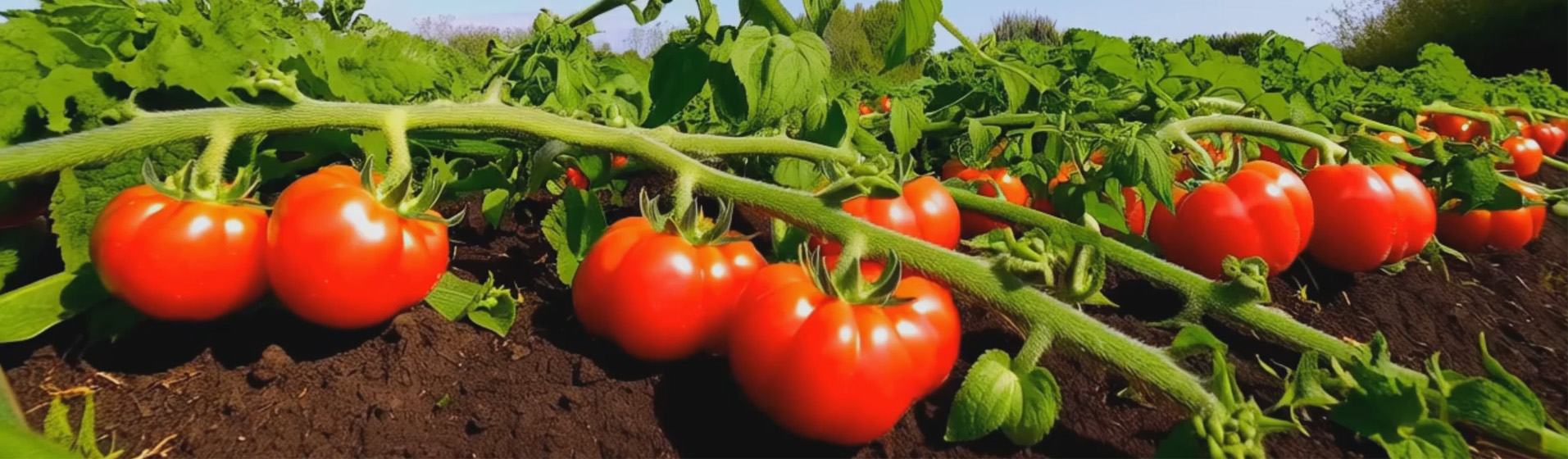
Tomatoes: can be frozen whole, but become softer after thawing, suitable for making sauces or stews.
Potatoes: Steam or grill them, mash them into a paste, and freeze them to avoid freezing and deterioration of taste.
Sweet potatoes: roasted or steamed and then frozen, convenient for making desserts or heating for consumption.
4. Other special freezing methods
Cucumber: Slice and marinate with salt to dehydrate, then freeze (less crispy texture).
Okra: Blanch and freeze, but mucus may increase.
Cilantro/Scallion: Wash, drain, cut into sections and freeze, suitable for seasoning.
Vegetables that are not suitable for freezing
Lettuce, cucumber (untreated), eggplant (easily softened): Poor taste after freezing.
Leafy vegetables with high moisture content (such as lettuce): easily rots after freezing.
Freezing Tips
Packaging and storage: Pack according to a single dose to avoid repeated thawing.
Quick freezing is better: Home refrigerators can first turn on the "quick freezing" mode (if available) to reduce ice crystal damage.
Shelf life: Generally, it can be stored for 5-12 months, but leafy vegetables are recommended to be consumed within 3 months.
Reasonable selection of frozen vegetables can not only prolong storage time but also retain most of the nutrients, making them suitable for meal preparation or out of season consumption.